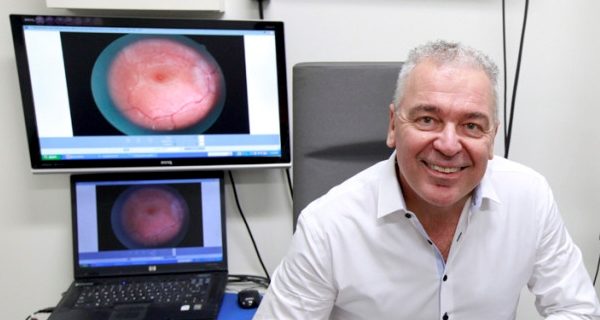
Subtle Vision Changes You Shouldn't IgnoreVision changes rarely happen overnight. More often, they develop so gradually that your brain adapts, making it easy to dismiss early warning signs as mere fatigue or part of getting older. One common subtle symptom is increased glare while driving at night. Halos around streetlights or headlights often indicate early lens changes or uncorrected astigmatism. Another frequent complaint is fluctuating vision throughout the day—clear in the morning, but blurry or gritty by late afternoon. This is often caused by an unstable tear film rather than a change in your prescription. Many serious ocular conditions, including glaucoma and early macular changes, develop completely painlessly and without noticeable vision loss in their early stages. By the time central or peripheral vision is visibly affected, irreversible damage to the optic nerve or retina may have already occurred. Children are particularly unlikely to complain about vision difficulties because they assume everyone sees the world the way they do. Signs such as sitting excessively close to screens, rubbing eyes while reading, or tilting the head can indicate an undiagnosed focusing or alignment issue. Routine, comprehensive eye examinations do much more than test whether you need glasses—they evaluate the overall health of your eyes and blood vessels. If you or your family members have noticed even minor changes in visual clarity or comfort, a check-up can give you clear answers and peace of mind. Sources: - Glaucoma Australia – Understanding the "Silent Thief of Sight"
- Optometry Australia – Why Regular Eye Examinations Matter
- American Academy of Ophthalmology (AAO) – Warning Signs of Serious Eye Problems
- National Eye Institute (NEI) – Healthy Vision Month Guidelines
|