| |
Educational Content Series:
How Sleep Can Affect Your Vision
Lack of Sleep May Affect Your Eye Health Have you been having trouble sleeping? Fatigue, concentration problems, and irritability aren't the only consequences of insomnia. Your eye health may also suffer if you can't fall asleep or stay asleep. These Things Can Happen to Your Eyes if You Don't Get Enough Sleep Most of us experience sleep problems from time to time. Stress, spicy foods, caffeinated beverages, illnesses, injuries, or the birth of a new baby can interfere with your ability to get a good night's sleep. Unfortunately, if sleep difficulties become chronic, you may be at risk of developing one of these eye issues: - Dry Eye. Researchers who conducted a systematic literature review published in Investigative Ophthalmology and Visual Science in 2018 reported that almost half of patients with dry eye don't sleep well. Dry eye could be related to incomplete closure of your eyes when you sleep, problems with tear production, diabetes and other diseases, or hormonal changes due to menopause or pregnancy. Improving sleep quality and duration while using eye drops at night can help relieve dry eye, although you may still experience dry, irritated eyes from time to time. If you continue to have dry eye symptoms, your eye doctor can recommend treatment options.
- Eye Spasms. A twitching eyelid isn't usually a sign of a serious condition, although it's certainly annoying. Spasms may be more likely to occur if you don't get enough sleep, are stressed, have allergies, or spend many hours viewing digital screens. If your spasms don't go away after a week or two or make it hard to see or keep your eye open, get in touch with your optometrist.
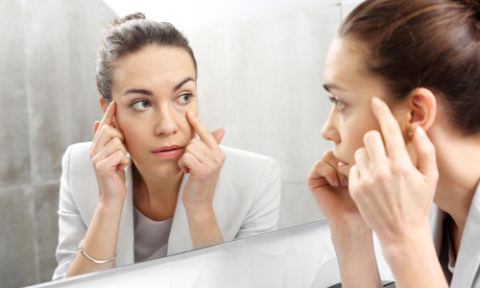
- Circles, Bags, and Bloodshot Eyes. Dark circles, bags under your eyes, and red eyes may not damage your vision, but they can make you feel self-conscious about your appearance. Fluid retention due to poor sleep causes bags and circles, while dilated blood vessels can make your eyes look red and bloodshot.
- Glaucoma. The pressure inside your eye increases if you have glaucoma. If your condition isn't treated, the pressure may damage your optic nerve, causing permanent vision loss. Glaucoma can also occur even if your pressure is normal, in some cases. The amount of sleep you get may affect your glaucoma risk. Researchers who analyzed a survey of more than 6,000 glaucoma patients discovered that people who slept seven hours a night were three times more likely to develop glaucoma than those who slept 10 or more hours. Patients who took 30 minutes or more to fall asleep had twice the risk of developing glaucoma.
- Ischemic Optic Neuropathy (AION). One of the most serious effects of lack of sleep, AION can occur as a result of sleep apnea, a condition that causes hundreds of breathing pauses throughout the night. Oxygen deprivation caused by sleep apnea can eventually lead to optic nerve damage and vision loss. The optic nerve transmits electrical impulses from your retina to your brain and is essential for good vision. Continuous positive airway pressure (CPAP) machines or other treatments keep your airways open and stop breathing pauses that can damage your vision and your health.
Regular eye examinations are particularly important if you have sleep issues. Identifying and treating sleep-related eye problems promptly will reduce your risk of vision loss and ease discomfort and other symptoms. Contact our office if you're ready to schedule your appointment. Sources: Journal of Glaucoma: Association Between Sleep Parameters and Glaucoma in the United States Population: National Health and Nutrition Examination Survey, 2/19 American Academy of Ophthalmology: Eye-Opening Study: Relationship Between Glaucoma and Poor Sleep, 4/10/19 Investigative Ophthalmology and Visual Science: Sleep Disorders are a Prevalent and Serious Comorbidity in Dry Eye, 11/18 Cleveland Clinic: Anterior Ischemic Optic Neuropathy (AION) All About Vision: Eye Twitching: Causes and Treatments
|
|